Water damage does not only affect floors walls and ceilings. One of the most overlooked consequences of water damage is its impact on indoor air quality. In Oklahoma City where humidity levels can fluctuate throughout the year untreated moisture can quickly lead to air quality issues that affect comfort health and the overall condition of a home.
When water enters a property it creates conditions that allow airborne contaminants to develop and spread. Moisture trapped inside building materials can release particles into the air long after visible water has been removed. Understanding how water damage affects indoor air quality helps homeowners recognize problems early and take action before conditions worsen.
Moisture Creates the Perfect Environment for Airborne Contaminants
Indoor air quality issues often begin when moisture remains inside walls flooring insulation or structural components. Even small amounts of trapped moisture can change the indoor environment. Damp materials allow bacteria organic particles and microbial growth to develop which can release spores and odors into the air.
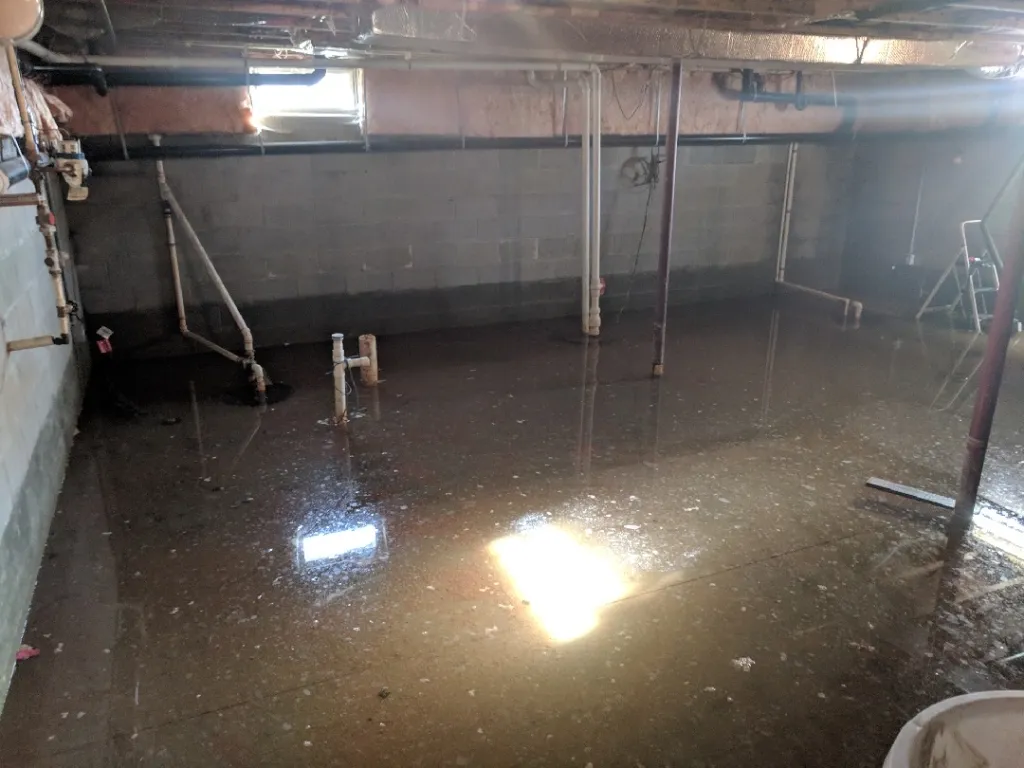
In Oklahoma City homes water damage often occurs from plumbing leaks roof leaks or storm related water intrusion. These sources introduce moisture that may not be immediately visible. As air circulates through the home contaminants from damp materials can spread from room to room.
Without proper drying water damaged areas continue to affect indoor air long after the initial event.
Mold Growth and Its Effect on Indoor Air
One of the most well known indoor air quality concerns following water damage is mold growth. Mold thrives in moist environments and can begin developing within days of water exposure. Once mold is present it releases spores into the air which can be inhaled by occupants.
Mold related air quality issues may cause musty odors breathing discomfort or irritation especially for individuals with allergies asthma or sensitivity to airborne particles. Even when mold is hidden behind walls or under flooring its impact on indoor air can still be noticeable.
Professional water damage restoration focuses on drying affected areas quickly which helps reduce the risk of mold growth and protects indoor air quality.
Odors Caused by Water Damage
Persistent odors are another sign that water damage has affected indoor air quality. Damp materials can produce musty or stale smells that linger throughout the home. These odors are often caused by organic material breaking down due to moisture exposure.
In Oklahoma City where homes may remain closed during hot or humid weather odors can become trapped and intensify over time. Air fresheners may mask the smell temporarily but they do not address the underlying moisture issue.
Restoring indoor air quality requires removing moisture drying affected materials and cleaning areas impacted by water damage.
Dust and Particles Released From Water Damaged Materials
Water damaged materials can break down and release particles into the air. Drywall insulation wood and other building components may deteriorate when exposed to moisture. As these materials dry unevenly they can shed particles that circulate through the home.
HVAC systems can spread these particles throughout the property if water damage occurs near vents or ductwork. This can worsen indoor air quality and contribute to dust buildup and discomfort.
Proper restoration helps stabilize materials and prevent ongoing particle release into the indoor environment.
How Water Damage Affects HVAC Systems
Heating and cooling systems play a major role in indoor air quality. When water damage occurs near HVAC components or ductwork moisture can enter the system and spread contaminants throughout the home.
Damp ductwork can trap debris dust and moisture creating conditions that affect airflow and air cleanliness. Each time the system runs contaminants may be redistributed into living spaces.
Water damage restoration often includes inspecting areas near HVAC systems to ensure moisture has not compromised air circulation or air quality.
Health Symptoms Linked to Poor Indoor Air Quality
Changes in indoor air quality following water damage can lead to noticeable symptoms for occupants. These may include headaches nasal irritation coughing fatigue or worsening allergy symptoms. In some cases individuals may feel better when leaving the home which can indicate indoor air quality concerns.
Children seniors and individuals with respiratory conditions are often more sensitive to air quality changes. Addressing water damage quickly helps reduce the risk of prolonged exposure to airborne contaminants.
Why Quick Water Damage Restoration Matters
The longer moisture remains inside a home the greater the impact on indoor air quality. Quick water damage restoration helps remove moisture before it leads to mold growth material deterioration and air quality issues.
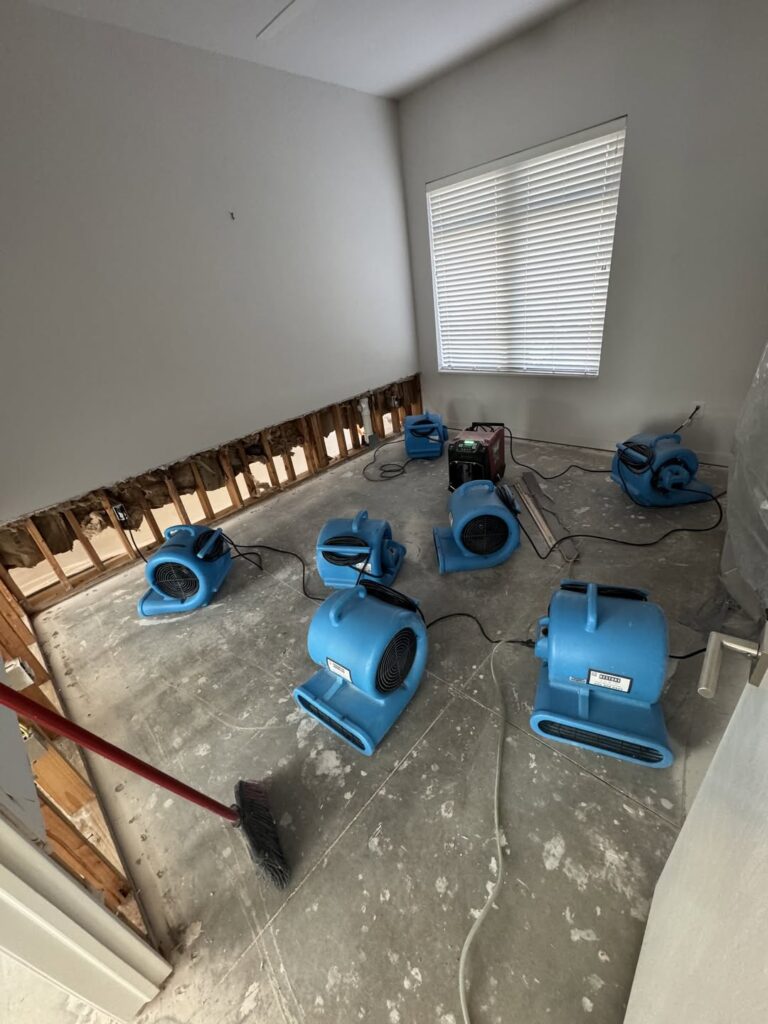
Professional restoration includes moisture detection drying and monitoring to ensure affected areas are fully addressed. This approach helps protect both the structure of the home and the health of occupants.
In Oklahoma City where weather conditions can change rapidly prompt restoration is especially important to manage humidity and moisture effectively.
Improving Indoor Air Quality After Water Damage
Restoring indoor air quality involves more than surface cleaning. Proper drying cleaning and restoration of water damaged materials is essential. In some cases additional steps such as cleaning affected surfaces or addressing ventilation issues may be recommended.
By addressing the root cause of moisture indoor air quality can gradually return to normal. Homes feel fresher odors diminish and occupants experience improved comfort.
Prevention and Awareness
Preventing future indoor air quality issues starts with awareness. Regular inspections of plumbing roofing and appliances help identify potential water damage risks. Addressing small leaks early reduces the chance of moisture spreading into hidden areas.
Understanding how water damage affects indoor air quality allows Oklahoma City homeowners to take fast action and protect their homes more effectively.
Protecting Your Home and Indoor Environment
Water damage is more than a structural issue. Its effects on indoor air quality can linger if not properly addressed. Professional water damage restoration helps remove moisture stabilize materials and restore a healthier indoor environment.
By responding quickly and choosing proper restoration methods homeowners can reduce damage improve air quality and protect the long term condition of their property. In Oklahoma City where homes face a variety of moisture related risks addressing water damage early is key to maintaining a safe and comfortable living space.